A Positioning Document from Articulate

The Mad Men

A creative crew, modelled on the masters, trained on curated world-class examples.
DubaiMay 2026v2.5
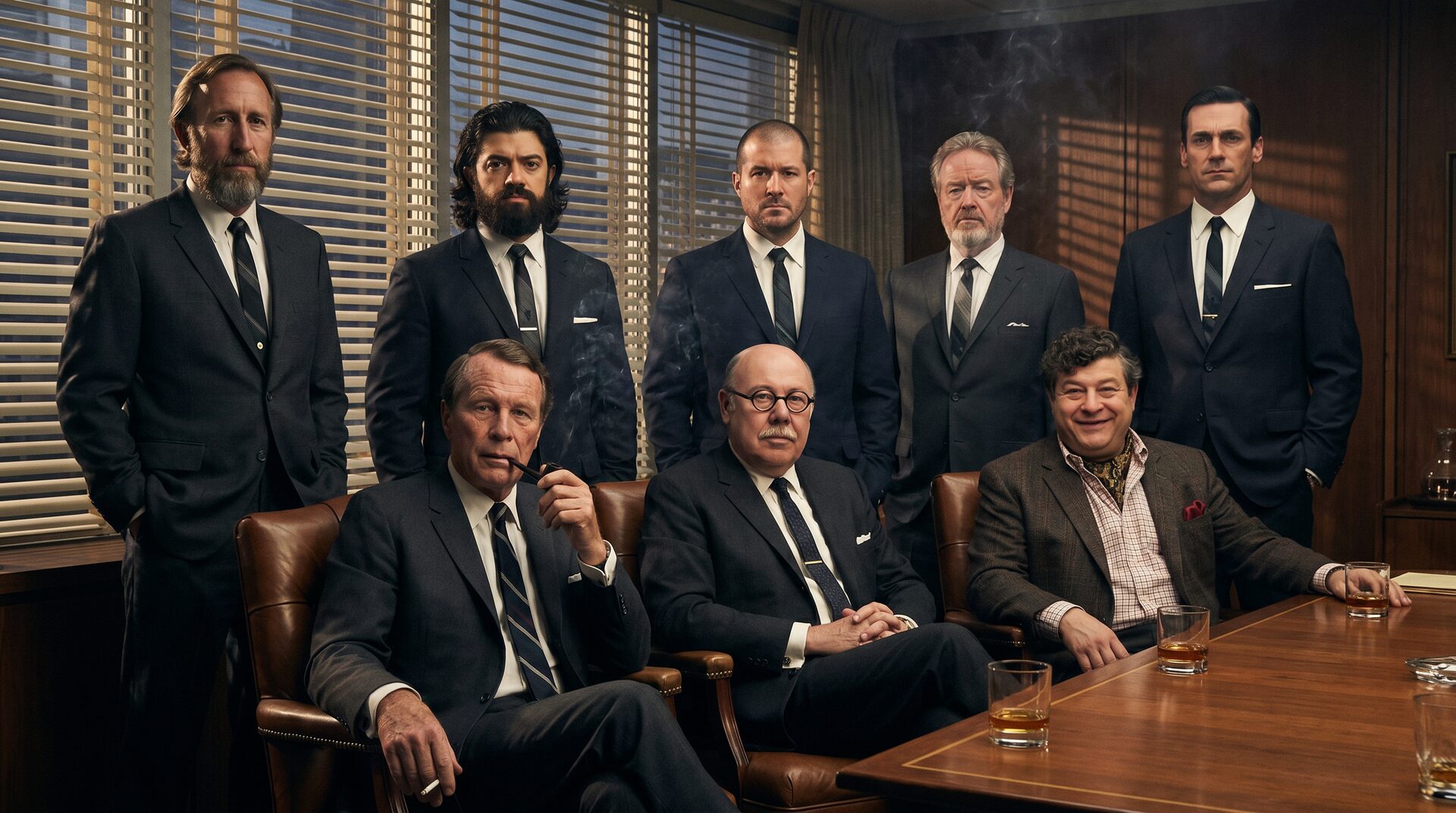
The Mad Men crew, gathered in a Sterling Cooper boardroom
Layout A — masthead above plate  ·  see Layout B

There has never been more advertising, and never less of it worth looking at.

Every brief in 2026 lands in a room where a junior with ChatGPT can produce a hero, a hook, and a deck in an afternoon. The output is competent. It is also indistinguishable.

The AI tools that have flooded the creative industries stand on everyone's shoulders equally, with no preference for the best work over the average. The output is the centre of the distribution — the safe, popular response a median reader will accept. That is the opposite of how good advertising has ever been made: a single idea from a single mind, trained on the best examples, not the average ones.

Volume has become the cheap thing. Taste has become the scarce one.


Imagine the team you could have on your next brief.

Each one's work curated by me. Each trained on a private library of their colleagues' best work — twenty-five thousand admitted entries, every one with provenance. Each guardrailed by a critic that scores every output before it ships. Each improving by the week.

It is a creative agency, instrumented.
A list, not a flourish.

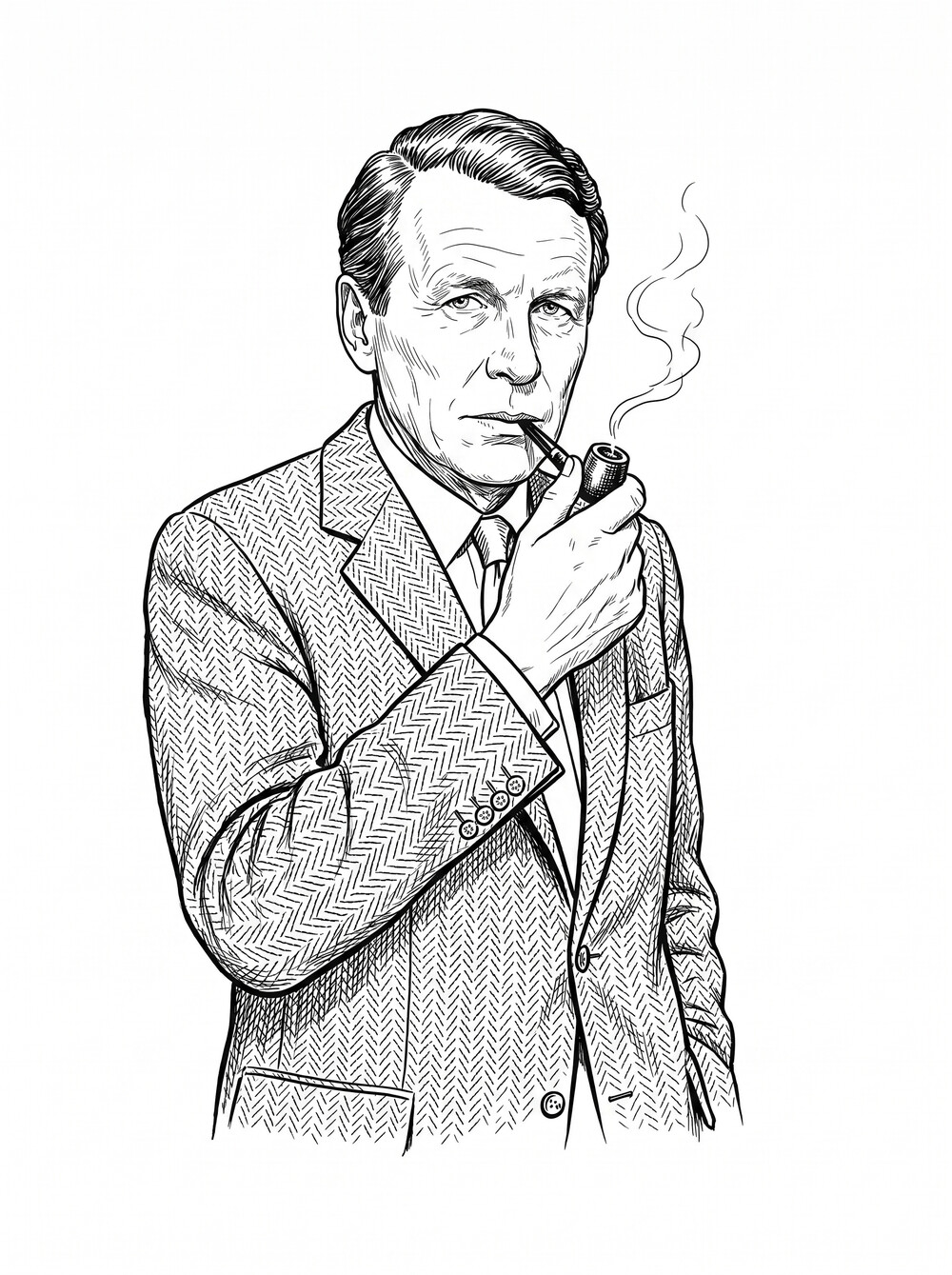
David Ogilvy
David Ogilvy
The Voice Gate
Founder of Ogilvy & Mather, 1948. The British gentleman who industrialised respect for the consumer. Author of Confessions of an Advertising Man — still required reading sixty years on. Built Rolls-Royce, Schweppes, Dove. Believed advertising should sell, not entertain. Research-led, long-copy, dignity-first. The man who turned the brief into a sacred document.
Lee Clow
Lee Clow
Brand Sign-Off
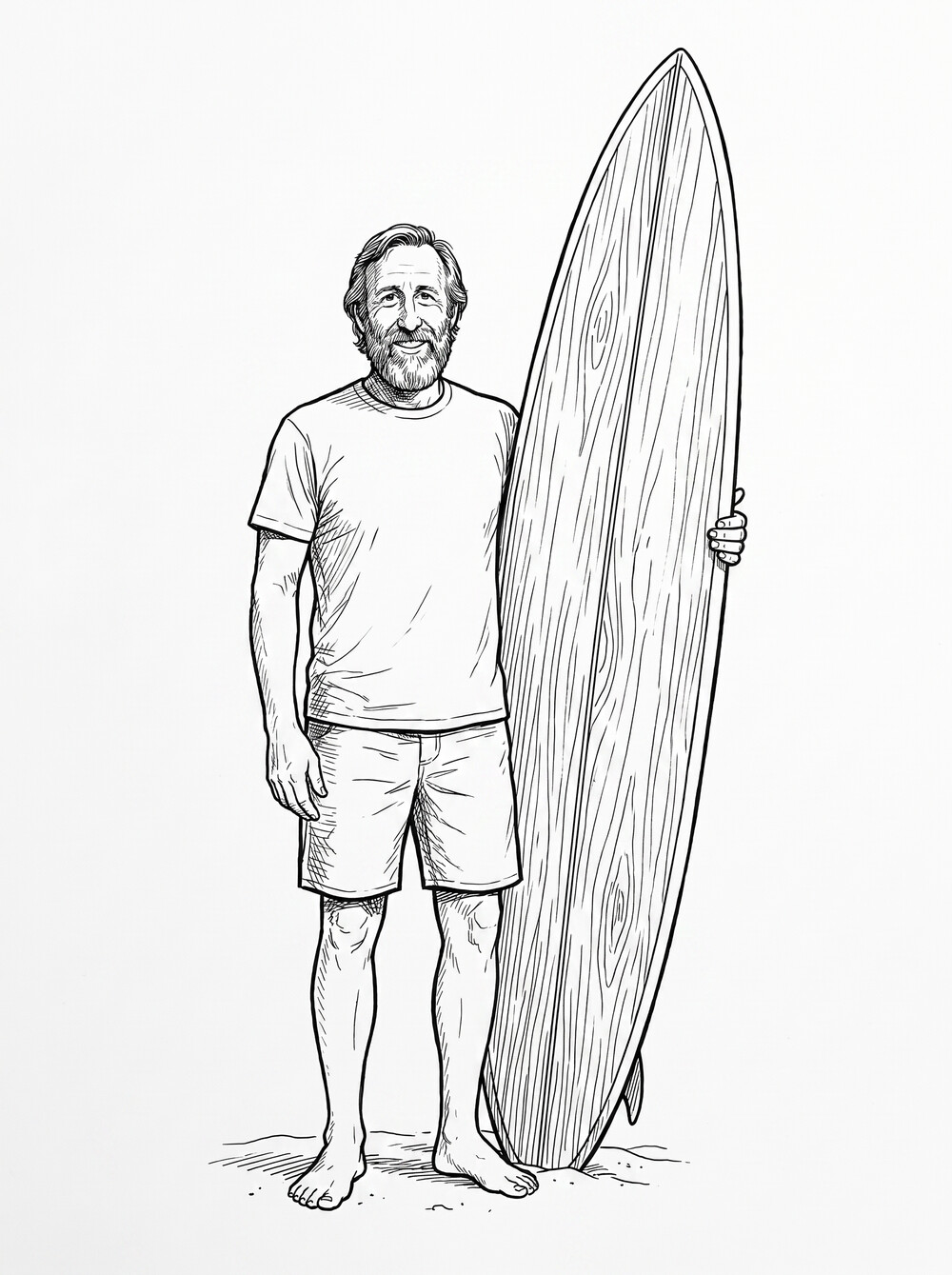
Creative chairman, TBWA\Chiat\Day. Author of Apple's "1984" Super Bowl spot, "Think Different," the Energizer Bunny, Taco Bell's chihuahua. Bearded, barefoot, surfboard under arm — working from a Venice Beach warehouse. The man who taught technology to talk like art and made California the second capital of advertising. Steve Jobs's brand conscience for thirty years.
Claude Hopkins
Claude Hopkins
Direct Response
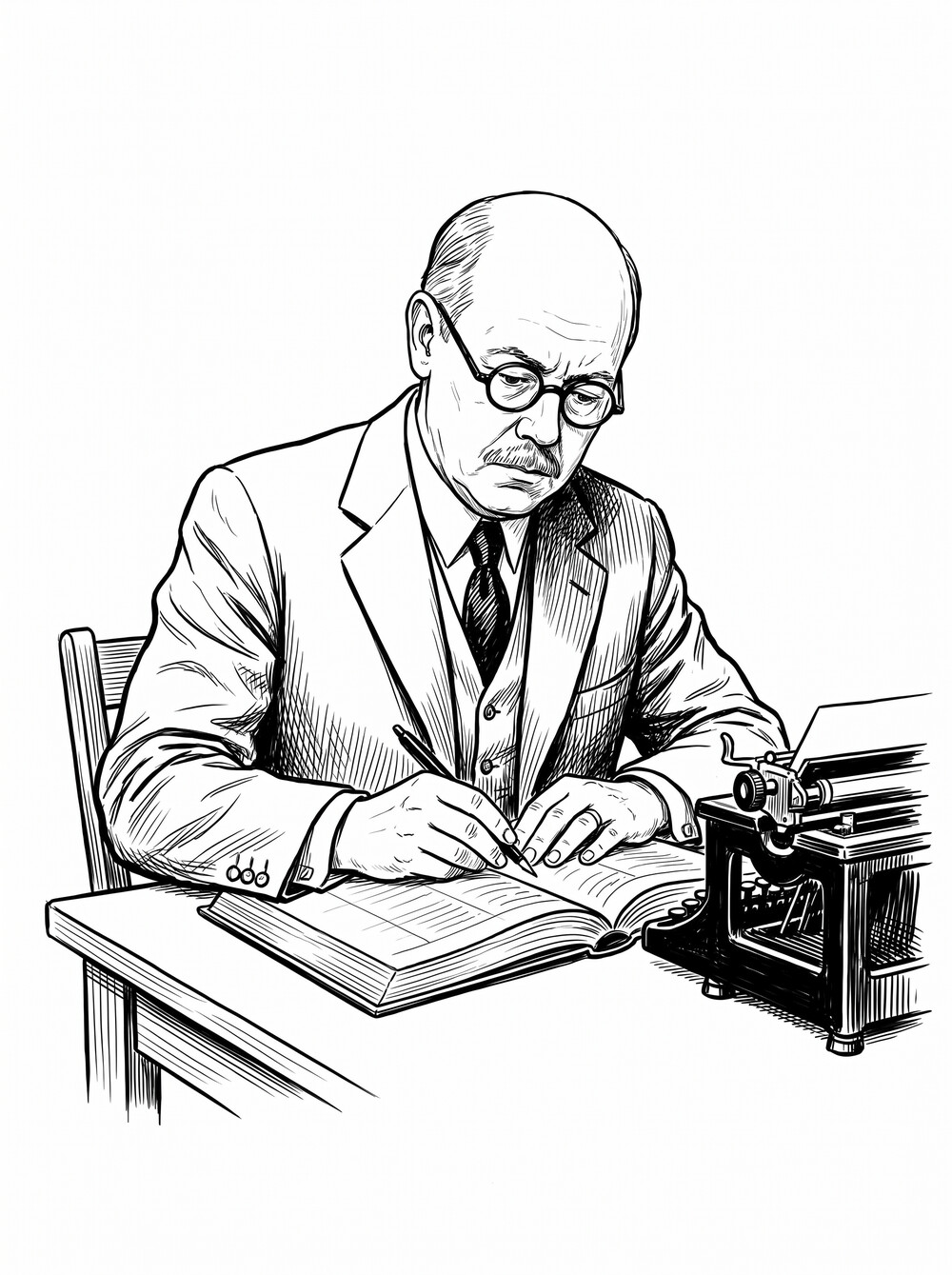
Author of Scientific Advertising, 1923 — the book that turned copywriting from showmanship into a measurable discipline. Pioneered coupon tracking, test markets, sampled offers, the "preemptive claim." Sold Pepsodent to America by inventing the "film on teeth" problem nobody had noticed. Earned the modern equivalent of five million dollars a year by 1907. Every direct-response copywriter since stands on his ledger.
Rory Sutherland
Rory Sutherland
Strategy
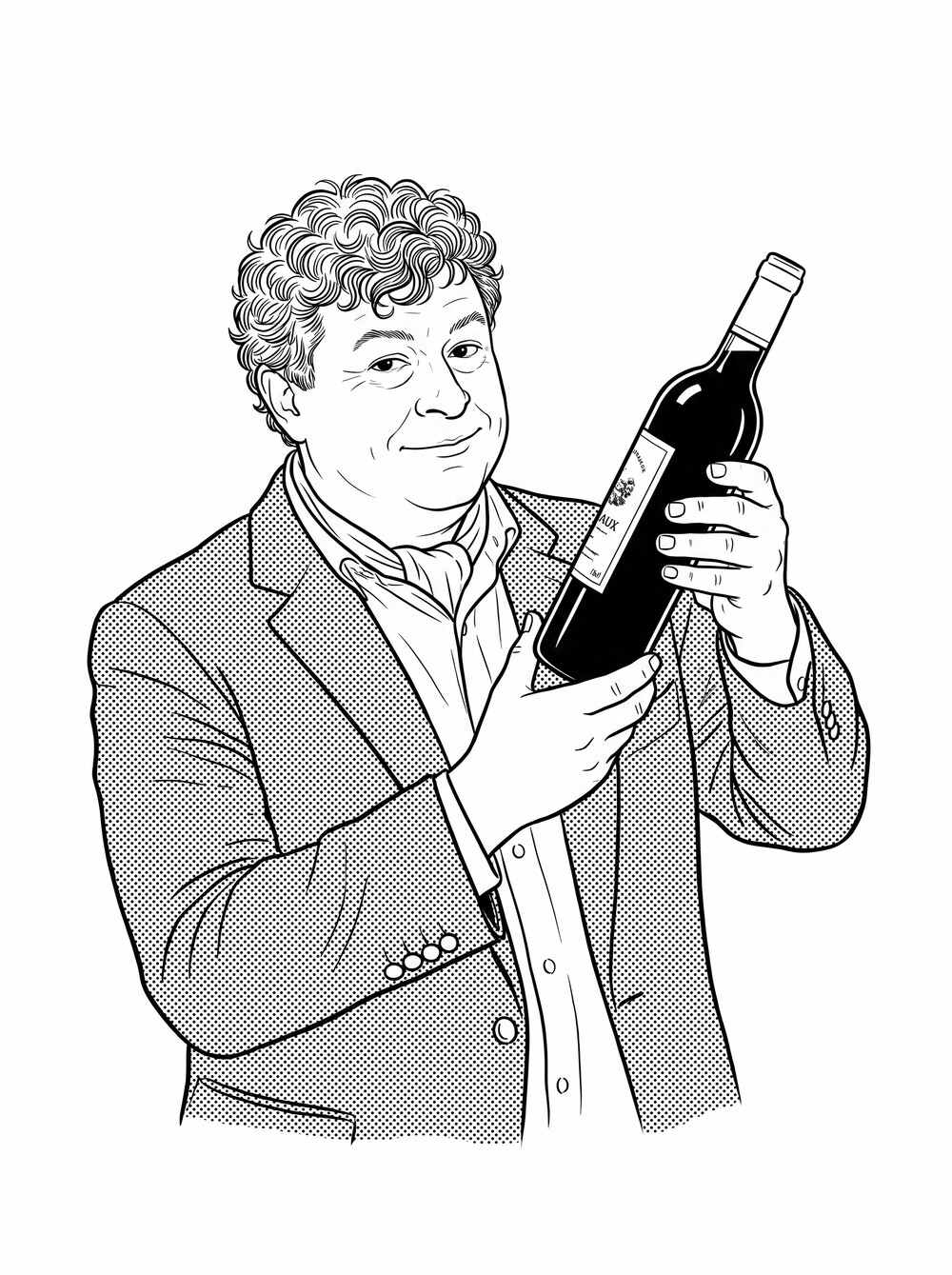
Vice Chairman, Ogilvy UK. The behavioural-economics evangelist of modern advertising — two TED talks, three million views, the cleverest man in any room he's allowed into. Argued that perception is reality and reality is negotiable. Famously suggested making the Eurostar faster by serving free champagne with supermodels instead of laying new track. Wine-merchant cadence, mischievous insight. Reframes problems for a living.
Alex Hormozi
Alex Hormozi
Modern Offer
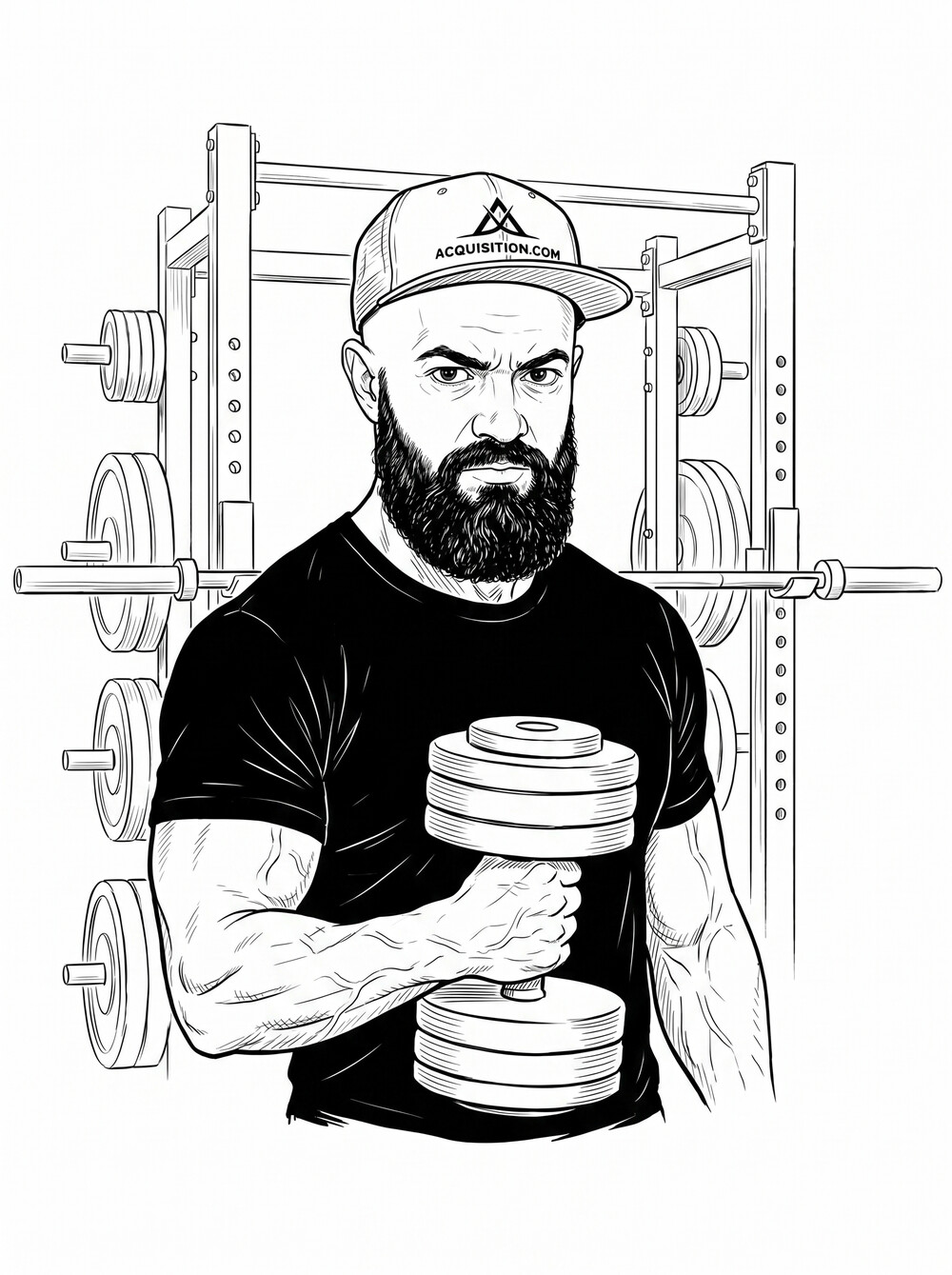
Founder, Acquisition.com. The operator who made "$100M Offers" a category. Built and sold gym chains, supplement lines, and software businesses before turning his playbook into a free YouTube university — millions of views per video, gym-floor cadence, allergic to fluff. The acquisition-and-systems voice of the 2020s entrepreneurial wave. Where Madison Avenue ends and the iPhone tripod begins, Hormozi is already framed up.
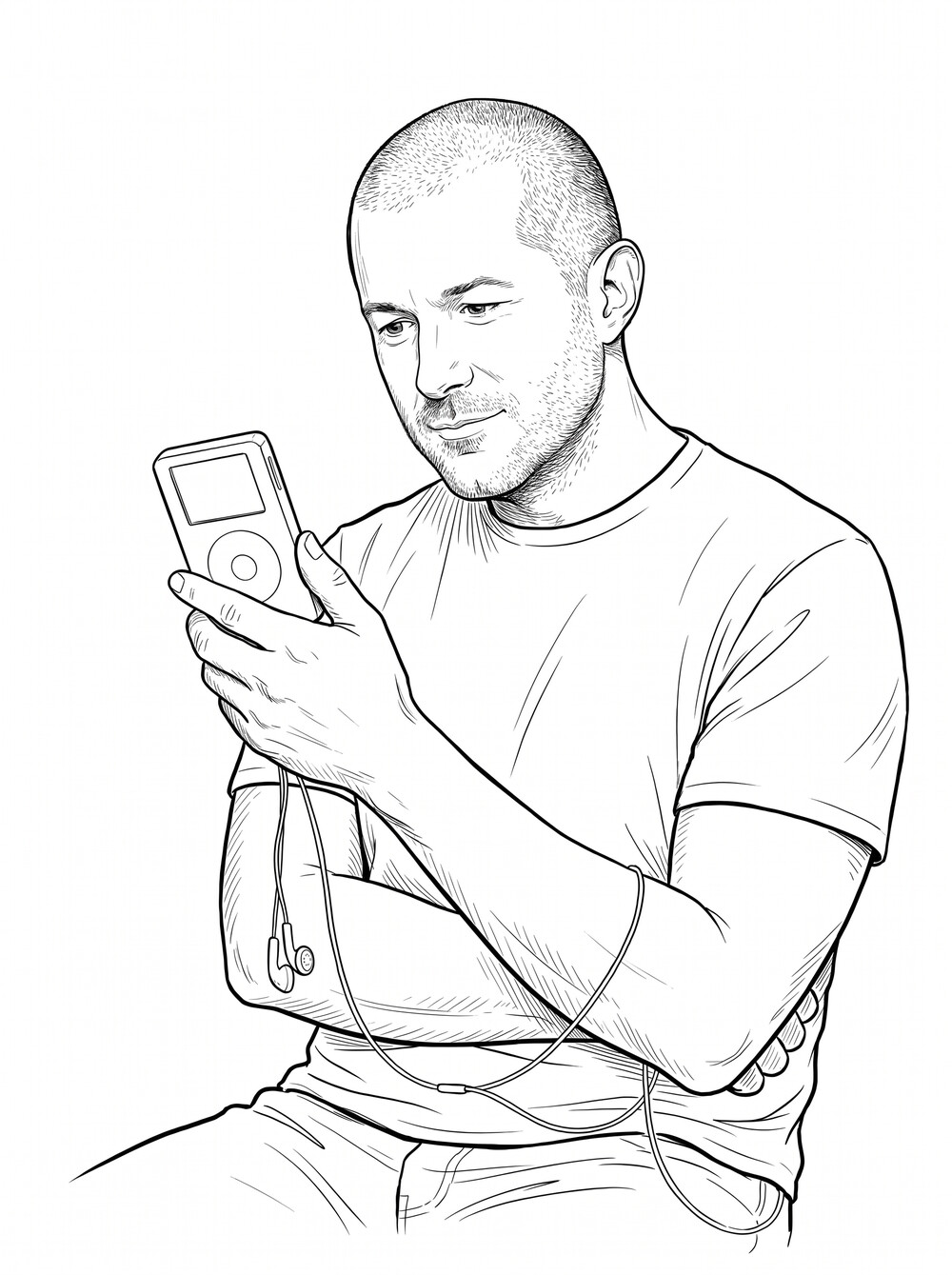
Jony Ive
Jony Ive
Visual Systems
Chief Design Officer, Apple, 1996-2019. iPod, iPhone, iPad, MacBook, Apple Watch — the products that defined a quarter-century of consumer technology. Made restraint a commercial weapon. The white earbuds reframed the headphones category overnight. The industrial designer who held the line on every prototype until the product became inevitable. Knighted 2012. Taught a generation that simplicity is the hardest brand to copy.
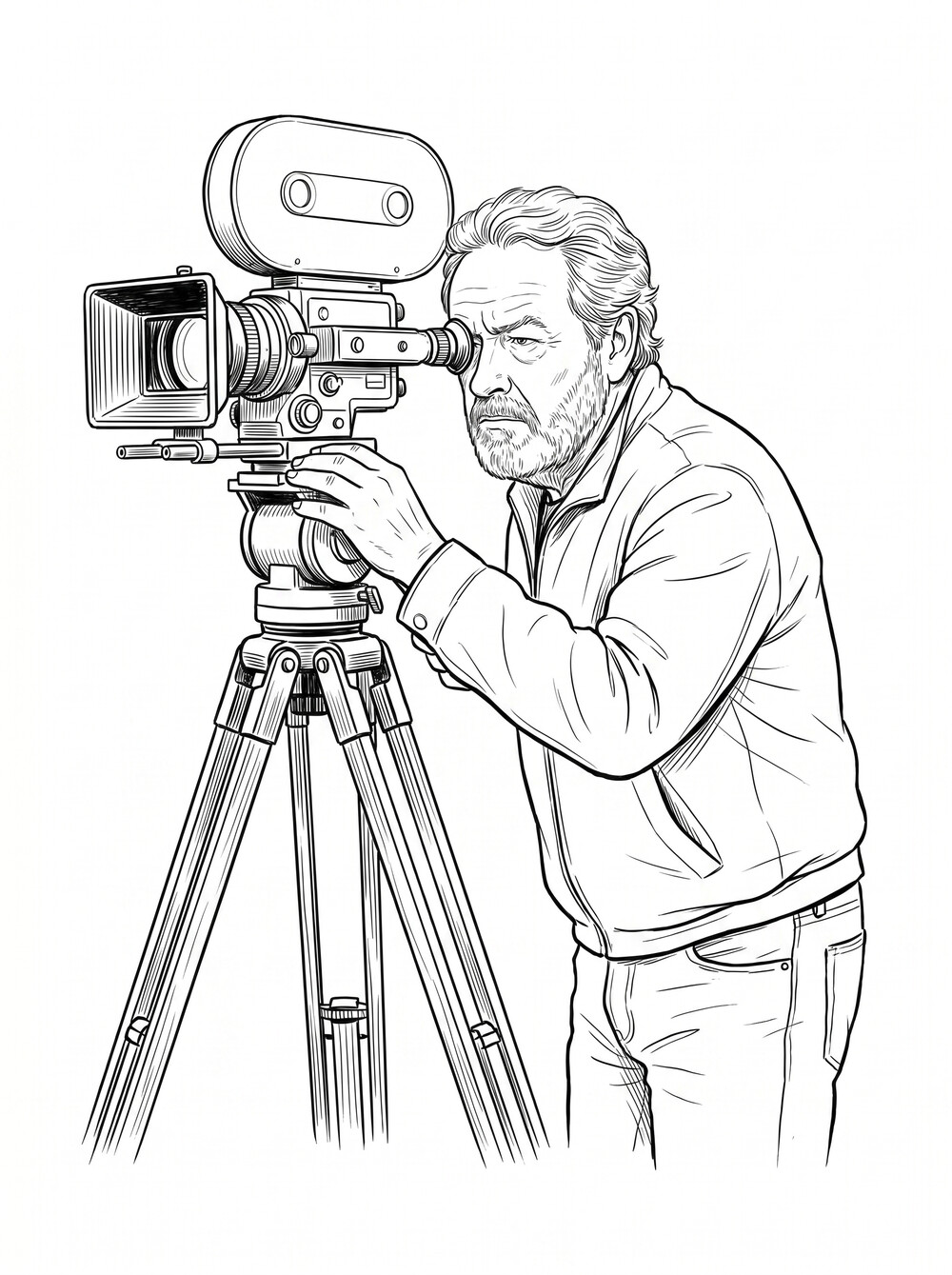
Ridley Scott
Ridley Scott
Motion & Cinema
Director of Apple's 1984 Super Bowl spot — the most influential commercial ever made. Director of Alien, Blade Runner, Gladiator, Thelma & Louise. Started in advertising at the BBC and Boase Massimi Pollitt before founding RSA Films. Treats the thirty-second spot like cinema — and cinema like a brand. Silver-bearded auteur, frames first and sells second. Made the commercial an art form on equal footing.
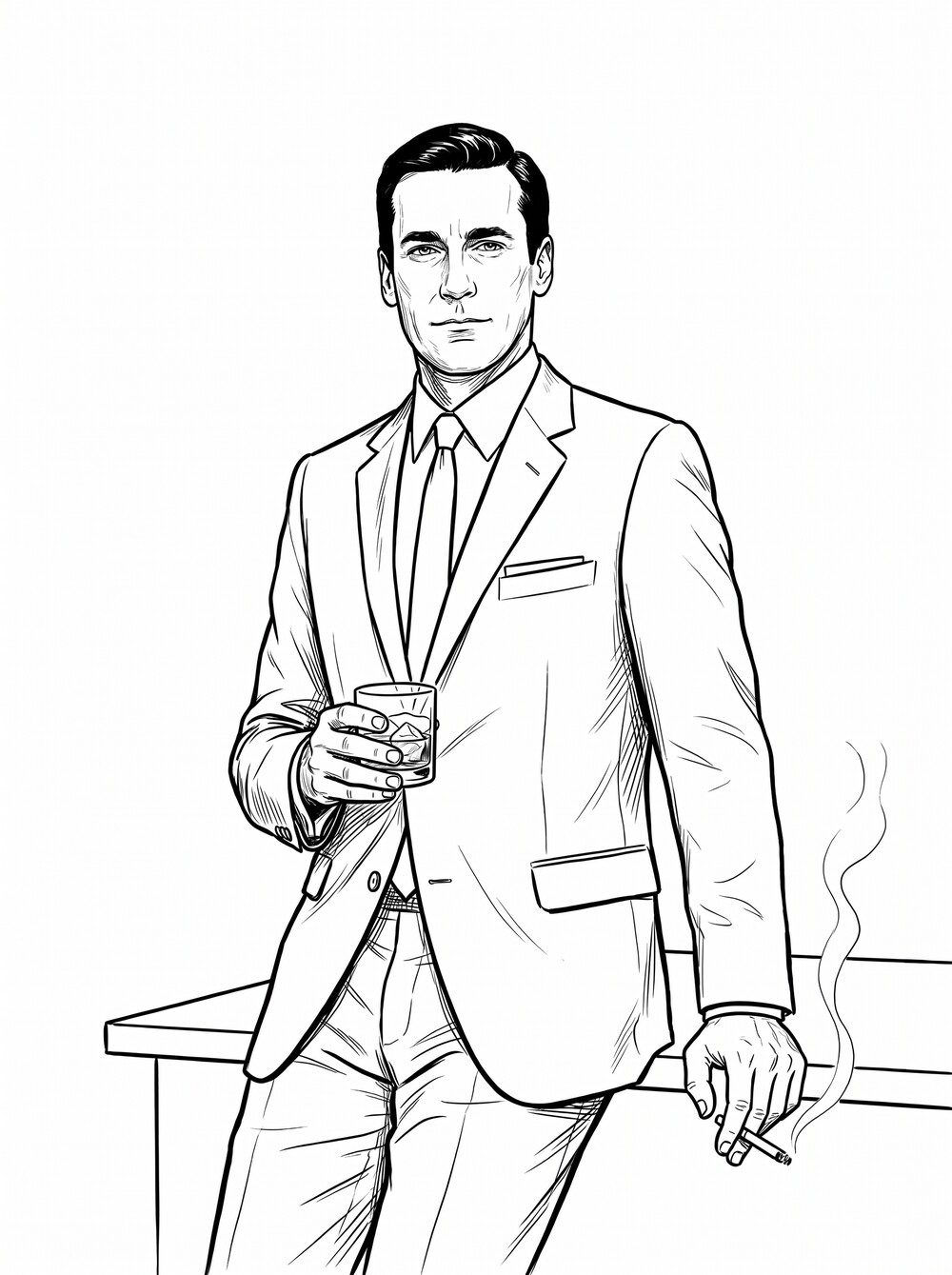
Don Draper
Don Draper
Headlines & Hooks
Sterling Cooper creative director, fictional and immortal. The composite figure that taught a generation what advertising felt like at its mid-century peak — Lucky Strike "It's Toasted," the Kodak Carousel pitch (the most famous fictional pitch in television), Jaguar. Three Emmys for Jon Hamm. A character so meticulously built he reshaped how every real ad-man since imagines himself at the boardroom table. The archetype the rest are measured against.

Each member has a charter. Each has a library slice. Each ships outputs with provenance and a measurable score.

Two readings of the same brief.

Drag the handle. Same room. Same eight figures. Two ways the camera could have caught them.
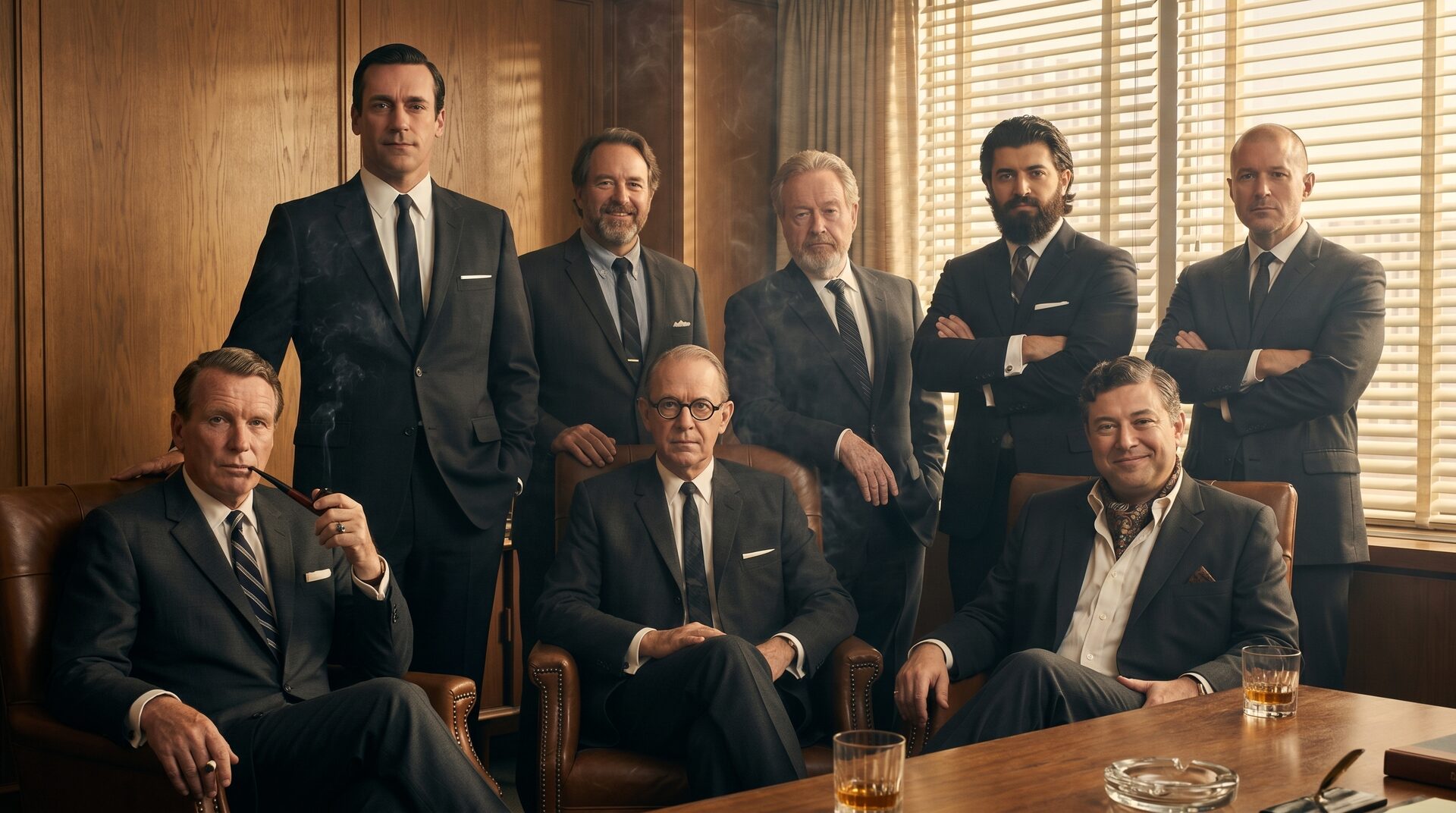
Crew, frame B Crew, frame A
Frame A
Frame B

The success systems of the world's greatest Ad men. Ask and they shall deliver.

Hopkins on testing. Ogilvy on dignity. Bernbach on simplicity. Sutherland on the counter-intuitive turn. Clow on the brand. Ive on restraint. Scott on the frame.

Each one trained on the work their lineage actually got right — chosen by hand, by a curator who spent twenty-five years in the room. Ogilvy alumnus, latterly Clicksco.

You ask. They answer. With the best of their lineage behind them, not generic instinct.


What you get on day one.

Every brief — not prompt, brief — comes back with options you did not know to ask for. The library shows you the work that bears on your brief, and seven others you would not have found alone. You walk away with eight directions you had not considered, ranked, with the trade-offs surfaced.

You spend your day choosing, not generating.

You talk directly to any of them. You ask Hopkins how he would test this offer. You ask Ive what a quieter version of this layout would feel like. You ask Sutherland whether the brief is even the right brief.

Over time, the advice gets better at every level — customer psychology at the top, the shape of a button at the bottom.


Five mechanisms that compound.

  1. Library curation. The persona-owners admit better exemplars each week. The library gets sharper because the exemplars get sharper.
  2. Blind benchmarks. Once a quarter, the Mad Men run the same brief as Pentagram, R/GA, or Wieden. You blind-rate both. The gap tells us where to work.
  3. External rater panel. Three or four senior creatives outside Articulate rate samples quarterly. Slow signal, honest signal.
  4. Multi-axis rejection capture. When you reject, you capture why — voice, claim, hook, brand-fit, conversion-shape. The rubric sharpens.
  5. Model and embedding upgrades. The crew rides those for free.

The library gets better. The crew gets better.


We are not promising magic. We are promising the Mad Men, instrumented.

Not creative work made without humans. Creative work made with named, curated, instrumented specialists — where the human role is direction.

Not better work than the best human creative directors. Work that compounds, whose provenance is auditable, whose lineage is named.

If you have watched the flood of generic AI creative output and felt that something specific has been lost — this is what we have done about it.

Welcome.